
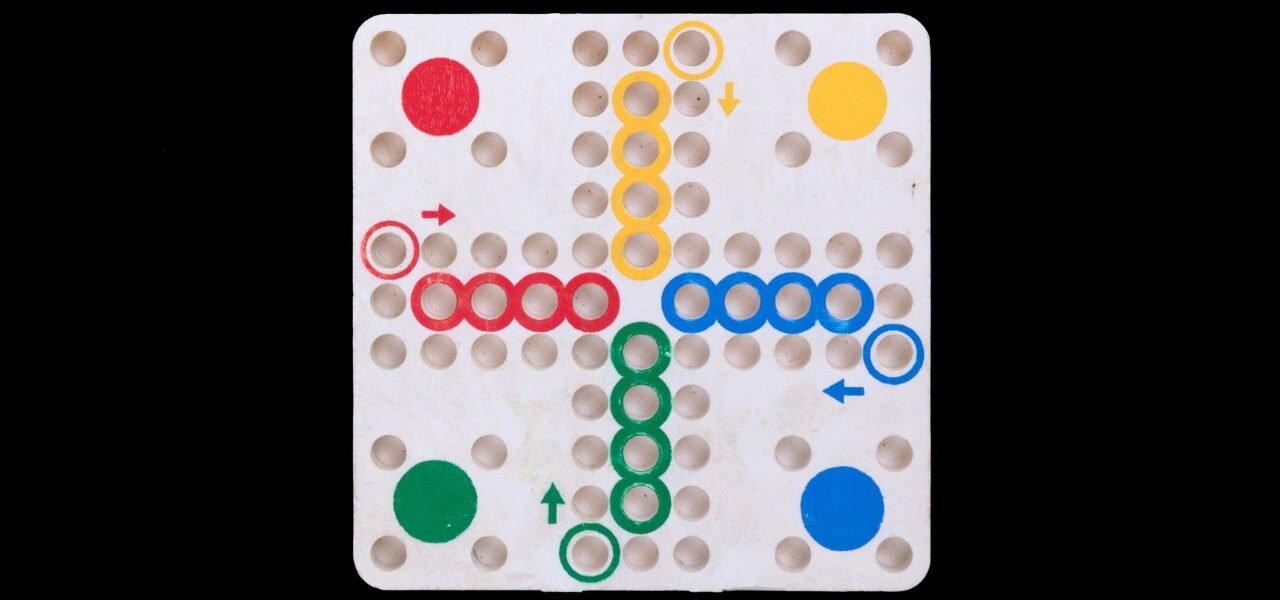

The way people access and play familiar board games has changed significantly as they have moved to digital platforms. Board games that once required a board, tokens, and dice to be physically present in the players’ homes are now represented on digital screens, allowing players to still play the games in similar ways to their classic versions. Given this change in how people play Ludo, one of the most familiar board games to people around the world, there are natural questions regarding the experience of playing the game digitally compared to its classic counterpart.
Although “lodo” is sometimes used as a spelling variation when searching for Ludo online, the underlying game remains familiar. The main difference lies in how the game is presented and accessed. Understanding what stays the same and what changes can help players make sense of the online format.
What Is Classic Ludo?
Classic Ludo is a board game played with tokens, dice, and a physical playing board. Players move their tokens around a predefined path according to dice outcomes, with the general objective of getting their tokens to the home area before their opponents.
The game combines chance with decision-making. A dice roll determines the movement possibilities, but players still have to decide which token to move when multiple options are available. The positions of their own tokens and those of their opponents can also influence these decisions.
Because it involves both interaction and planning, a traditional Ludo game can change considerably from one turn to another.
What Is Similar Between Classic Ludo and Online Ludo?
Familiar Board-Based Gameplay
The most obvious similarity is the board-and-token structure. Digital Ludo generally represents the same broad concept through an on-screen board, with players moving tokens along a designated route.
This means someone familiar with classic Ludo can generally recognise the basic objective and movement structure when they encounter an online version.
Dice-Based Movement
Dice remain an important part of the traditional Ludo experience. In an online version, the physical dice are replaced by a digital representation, but the outcome still determines the available movement according to the rules of that particular version.
Strategic Decision-Making
Ludo is not only about rolling the dice. When there are multiple possible moves, players need to consider their token positions, possible risks, and the positions of opposing tokens before selecting a move.
Online gameplay can preserve this decision-making element even though the board and pieces are digital.
Interaction Between Players
Ludo involves playing in relation to other participants. A player’s decisions can affect the positions and opportunities available to others.
The online format changes how players interact with the game, but the competitive board-game structure can remain familiar.
How Is Online Ludo Different From Classic Ludo?
Digital Format
The physical board, pawns and dice are replaced with an on-screen interface. Instead of physically moving their token, the player chooses an available action through their device.
Convenience
There is no need for physical boards, pieces or suitable surfaces to play Online Ludo. Players can access a digital version of the game on any compatible devices.
Automated Gameplay
Digital platforms can automatically manage many of the game’s mechanics. Dice rolls, token movement and other aspects can be managed by the software without any manual input from the players.
Visual and Interactive Elements
An online version may include animations, sounds, notifications, visual indicators, and other interface elements. These additions can make the experience feel different from sitting around a physical board, although the extent of these features depends on the platform.
Opponent Availability
Depending on the platform, online Ludo may provide different ways to play against other participants. The available modes and matching systems are platform-specific, so they should not be assumed to be identical across every online game.
Why Do Players Choose Online Ludo?
Convenience is one of the main practical differences between digital and physical gameplay. An online version does not require players to find a board, arrange tokens, or manually manage each turn.
The digital interface can also make gameplay easier to follow by displaying available actions and automatically updating token positions. For people who already understand classic Ludo, this can provide a straightforward way to experience the familiar game in a digital environment.
Exploring Ludo Through Zupee
For players interested in taking familiar Ludo-style decision-making into a digital gaming environment, platforms such as Zupee provide an option centred around skill-based gameplay. The experience brings elements of strategy and decision-making into an online format while allowing players to interact with the game through a digital interface.
Players can explore the available gameplay and understand the applicable rules and platform terms before participating. Ludo and other skill-based games should be approached as entertainment. Players should understand the rules and applicable platform terms, set reasonable limits, and remember that skill-based gameplay does not guarantee a particular result.
Conclusion
Online Ludo and classic Ludo may seem to share a similar foundation, but they aren’t exactly the same experience. While the board, tokens, movement based on dice rolls, and decision-making in both games may remain the same, the physical format of the game has been replaced by a digital interface.
Those looking for a lodo game online will find that the difference between the online and classic Ludo games is in the way the game is delivered to the players, rather than any change to the basic concepts of the game itself. Online platforms such as Zupee offer another way to enjoy the game with the convenience of a digital environment.